


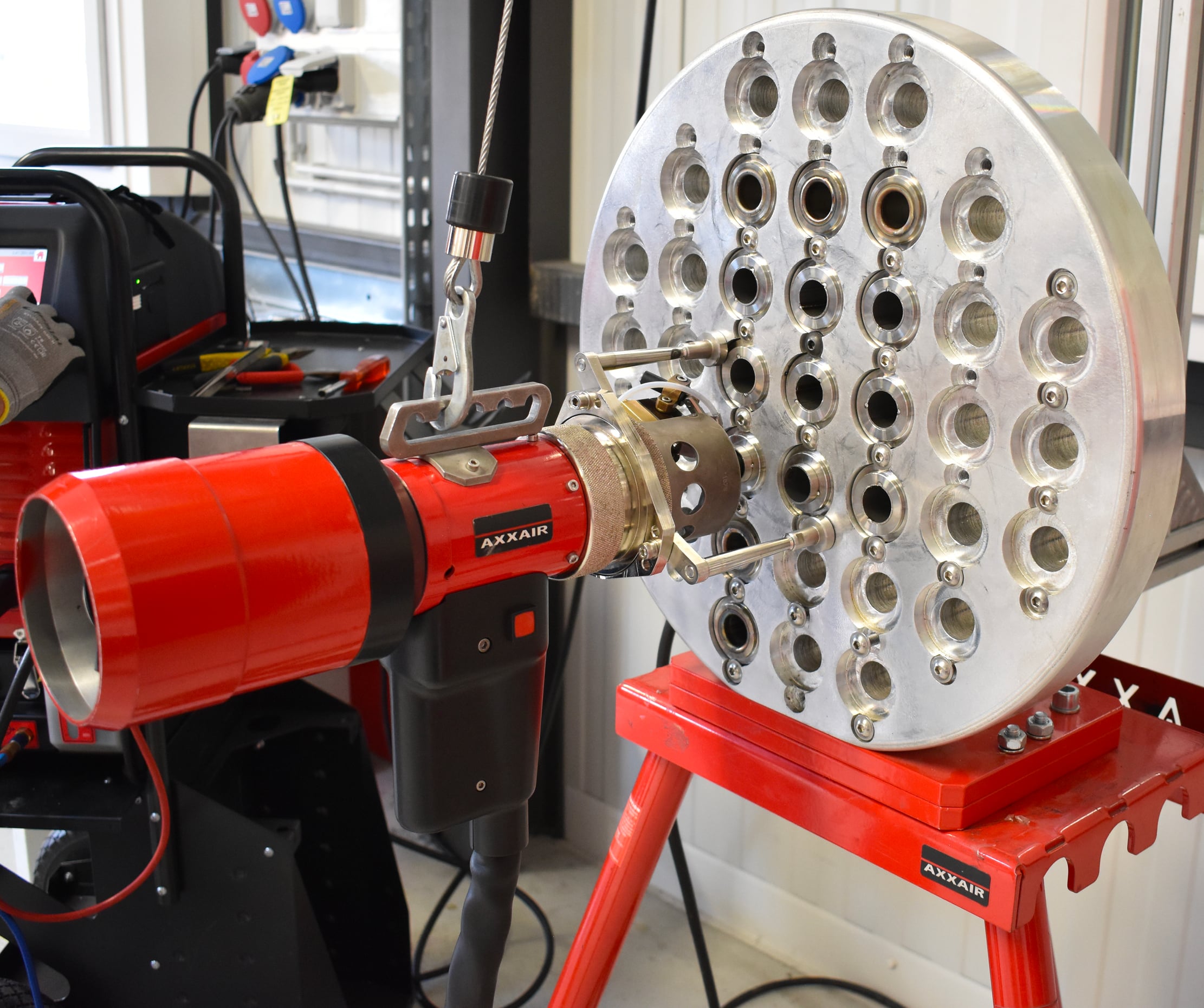
We cannot stress enough that tube preparation is essential to obtain a quality weld. The same goes for tube-to-tube-sheet welding, so it is very important to not neglect this step.
There are three phases in the process of welding tubes to tube sheets where problems can occur:
- The preparation of the tubes
- The preparation of the tube sheet
- The connection between tube and tube sheet: welding position and tube rolling (in this order)
Just like with the classical approach to tube working – preparation first, welding second – the world of exchangers often creates more complex situations.
The Preparation of the Tubes
The Cut:
The preparation is an essential step, as it makes the following operations easier. It is even mandatory if you want to be able to repeat the quality of the joints. The cut must be perfectly perpendicular and without burrs, since the next step requires the tube to pass through the tube sheet. An orbital cut is strongly recommended in this case, especially if there is no need to adjust the length of the tubes.
The quality of the tubes, the tolerances of ovality, and the variation of thicknesses are obviously also of major importance.
If an adjustment of the length is necessary, cutting the tubes orbitally is still recommended for the “burr-free” quality in order to ensure the tubes pass through the tube sheet easily.
Overlength or Trimming:
In this case, after the tube has passed through the tube sheet, a squaring machine with an internal grip is used to repeatedly bring the tube sheet overhang to the right value. Indeed, on great lengths, a precise positioning can be difficult.
The Preparation of the Tube Sheet
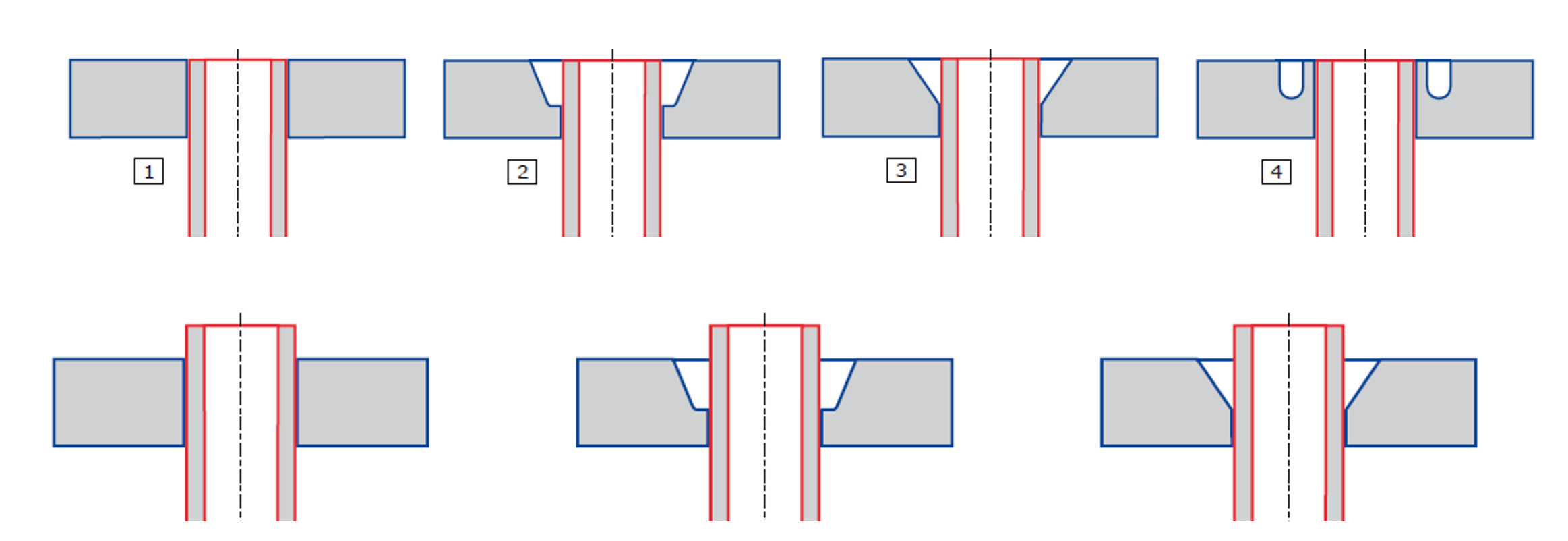
Tube sheets are machined and therefore the holes are very accurate. The end of the hole can be beveled before the weld to ensure a stronger connection under extreme circumstances (temperature-pressure). In such cases, the welding will be done with filler wire and will require a multi-pass approach.
The Positioning of the Tubes in the Tube Sheet
Depending on the requirements of the applications, the positioning differs. Possible types are illustrated below:
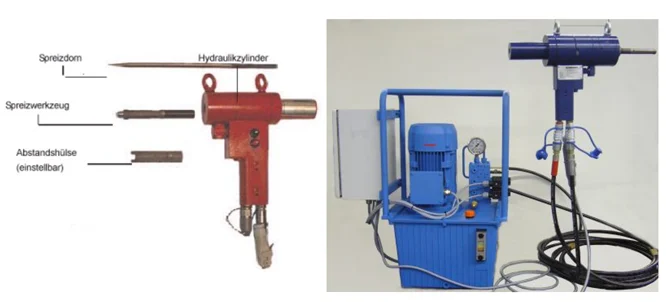
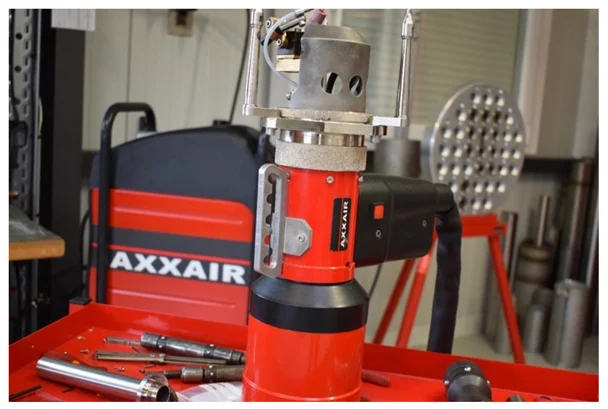
 Tube Rolling: